Stress has become so woven into everyday life that many of us hardly notice it anymore, until our bodies start to speak. Tight shoulders, aching backs, shallow breathing, restless sleep, and constant fatigue are not just signs of a busy schedule. They are signals from the nervous system asking for relief.
In today’s fast-paced world, stress is not simply a mental experience. It is a full-body response. And that is why massage is far more than a luxury, it is a powerful form of care for both the body and the mind.
How Stress Lives in the Body
When the body perceives stress, it shifts into a state of protection commonly known as “fight or flight.” Muscles contract, breathing becomes shallow, and stress hormones such as cortisol and adrenaline increase. This response is helpful in short bursts, but when stress becomes chronic, the body never fully returns to a state of rest.
Over time, this can lead to:
- Persistent muscle tension and stiffness
- Headaches, jaw tightness, and neck pain
- Fatigue and disrupted sleep
- Difficulty fully relaxing, even during quiet moments
The body remembers what the mind may try to ignore. Without intentional release, stress accumulates.
The Therapeutic Power of Touch
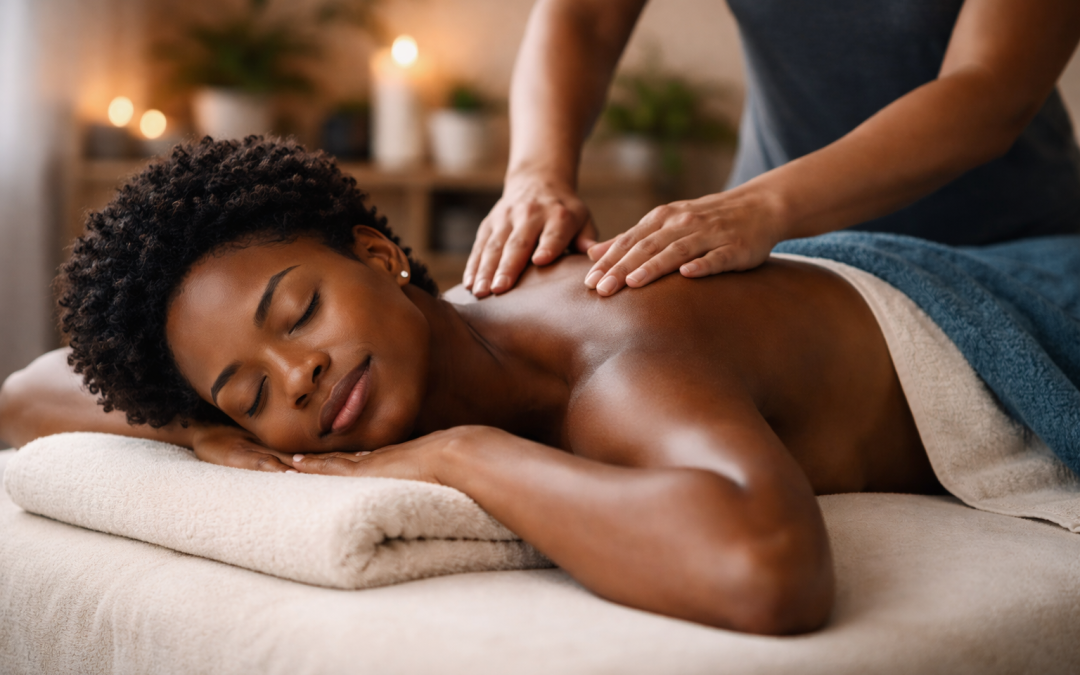
Massage offers something many other stress-relief tools cannot: direct communication with the nervous system. Through intentional, compassionate touch, the body is gently reminded that it is safe to soften.
During a massage, the nervous system begins to shift out of “fight or flight” and into “rest and restore.” This state allows the body to release held tension, improve circulation, and re-establish a sense of calm.
Research and experience both show that regular massage can:
- Lower stress hormones and promote relaxation
- Reduce muscle tension and discomfort
- Improve sleep quality and mental clarity
- Support emotional balance and overall well-being
In this way, massage does more than relieve sore muscles, it helps restore the body’s natural rhythm.
Stress Relief That Goes Deeper Than the Surface
What makes massage especially effective for stress management is its ability to work on multiple levels at once. Physically, it eases tight tissues and improves circulation. Mentally and emotionally, it creates a space where the mind can slow down and the body can finally exhale.
Many clients describe feeling:
- More grounded in their bodies
- Lighter emotionally
- Clearer mentally
- More present and connected to themselves
These shifts are not temporary indulgences, they are meaningful resets that support long-term wellness.
Massage as a Consistent Wellness Practice
While a single session can bring immediate relief, the true benefit of massage unfolds with consistency. Just as exercise supports physical health and rest supports recovery, regular massage helps the body manage stress before it becomes overwhelming.
Think of massage as maintenance for your nervous system, an intentional pause that keeps tension from becoming your default state.
Choosing Care in a Culture of Constant Motion
In a world that encourages you to keep pushing, choosing rest is a powerful act of self-respect. Massage offers a safe, nurturing space to slow down, reconnect with your body, and remember what ease feels like.
Stress may be part of modern life, but living in constant tension does not have to be.
This winter, consider what it might mean to care for yourself not only when you are exhausted, but as a way of honoring your well-being all season long.
Your body is always speaking. Massage simply helps you listen.